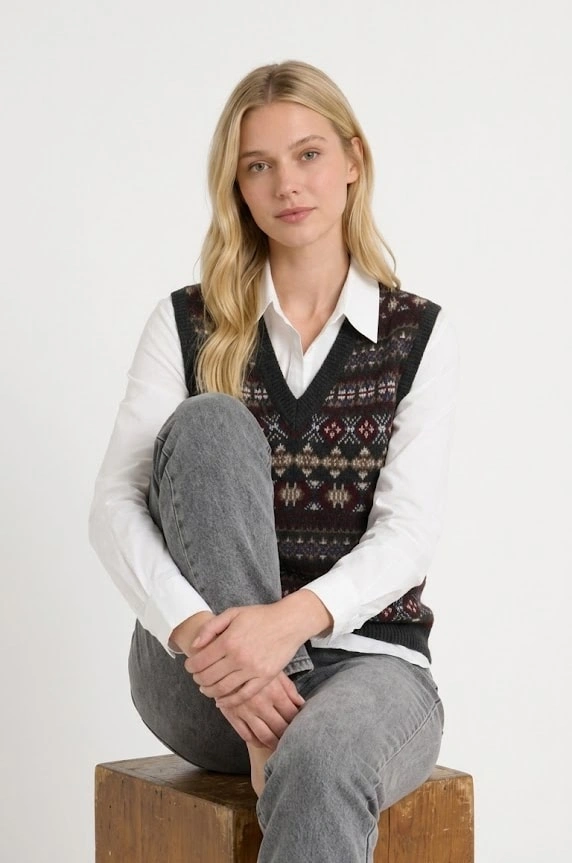
There’s particular melancholy in packing away winter’s heaviest pieces—that wool sweater that carried you through January’s darkness, the cashmere sweater providing comfort during difficult February days, the chunky knits that became your armor against cold and challenge. These pieces witnessed your winter story, held you through the season’s struggles, and deserve more than unceremonious storage. As light returns and temperatures climb, the transition from winter to spring wardrobe offers opportunity for reflection, gratitude, and gentle preparation for the lighter season ahead. At Sweater Wardrobe, we believe seasonal transitions deserve intention—honoring what served you while welcoming what comes next. That beloved knitted sweater you’re carefully folding away isn’t just clothing; it’s companion that helped you survive winter. The lighter pieces you’re retrieving represent hope, renewal, and faith that warmth returns after cold. This isn’t simple closet rotation—it’s ritual marking time’s passage, acknowledging growth, and celebrating survival through another cycle of darkness toward light.

The Emotional Weight of Seasonal Change
Why Transitions Feel Heavy
Seasonal transitions trigger surprisingly deep emotions, particularly the winter-to-spring shift carrying both relief and grief. Relief that winter’s darkness and cold are ending; grief for the version of yourself who moved through winter, the experiences good and difficult that winter held, and the specific comfort winter clothing provided. That grey sweater you wore through breakup, job stress, or simply ordinary hard days—putting it away feels like closing chapter, and chapter endings always carry emotional weight.
This isn’t sentimentality or over-attachment to objects. Clothing carries memory and association in ways we don’t always consciously recognize. Your winter pieces witnessed specific life moments, absorbed your stress and tears, literally held you during vulnerability. The neural pathways connecting those pieces to those experiences run deep. Acknowledging this emotional dimension honors your actual experience rather than dismissing it as “just clothes.”
Additionally, seasonal change itself triggers psychological responses. Our circadian rhythms shift with changing light. Energy levels fluctuate as we adapt to new temperature and daylight patterns. Even welcome changes require adjustment, creating low-level stress as we recalibrate. Honoring the transition with intention rather than rushing through it supports your nervous system through the shift. Browse our transitional pieces designed for the in-between season.
Gratitude as Processing Tool
Rather than simply switching wardrobes mechanically, approaching the transition with gratitude transforms it into meaningful practice. As you handle each winter piece before storage, take moment to acknowledge what it provided: This brown sweater kept me warm during bitter January. This cardigan comforted me when I was stressed. This pink sweater made me smile on grey mornings. These small acknowledgments aren’t silly—they’re honoring your experience and the tools that supported you through it.

This gratitude practice also helps process difficult winter experiences. If winter brought challenges—illness, loss, stress, struggle—your winter clothing bore witness. Acknowledging this as you pack pieces away creates gentle closure, marking that those difficult times are past while honoring that they happened. The cashmere sweater women wore through chemotherapy, grief, or burnout deserves recognition for its service before being stored until next cold season.
Welcoming Spring Without Forcing
Spring represents renewal, growth, optimism—but forcing yourself into spring mindset before you’re ready creates dissonance. Some years you welcome spring eagerly; other years you resist letting winter go. Both responses are valid. Allowing authentic feelings rather than performing expected “spring excitement” honors where you actually are. You can appreciate returning warmth while still feeling tender about winter’s end. Transition is process, not switch to flip.
The Practical Ritual: Transitioning with Care
Cleaning and Care Before Storage
Winter pieces deserve proper preparation before storage—this practical care doubles as ritual honoring. Clean all knitted sweater pieces before storing, removing body oils and stains that attract moths and degrade fibers over months in storage. This doesn’t require professional cleaning for every item; many pieces hand-wash beautifully in cool water with gentle wool detergent.
As you wash each piece, notice its condition. Does anything need repair before storage? Small holes can be rewoven, loose seams reinforced, pilling removed. Addressing these issues now means next winter you retrieve pieces ready to wear rather than discovering damage when it’s too late for repair. A merino wool sweater with minor damage repaired professionally will serve many more winters; the same piece stored damaged might be unwearable by next season.
This cleaning and repair process creates natural moment for reflection. Handling each piece individually, tending its care, requires slowing down. In that slowness, memories surface. You might recall wearing that burgundy sweater during particularly happy evening or difficult day. These memories aren’t interruptions of the practical task—they’re the point. You’re not just maintaining clothing; you’re processing the season that passed.
Storage That Honors Investment
Quality winter pieces deserve storage protecting their investment. Use breathable cotton or linen bags rather than plastic, which traps moisture and causes mildew. Include natural moth deterrents—cedar blocks, lavender sachets—refreshing them annually. Store folded, never hanging, to prevent shoulder stretching and shape distortion. For precious pieces like cashmere sweater treasures, consider acid-free tissue paper between folds preventing permanent creases.

This careful storage isn’t perfectionism—it’s respect for pieces that served you and will serve again. When next winter arrives and you retrieve these items, finding them in excellent condition feels like gift from past-you to future-you. You took care of these pieces because they took care of you. That reciprocity matters.
The “Maybe Next Year” Pile
During transition, you’ll likely encounter pieces you barely wore this winter. Before automatically storing them, ask honestly: Will I actually wear this next winter? If the answer is uncertain, create separate “maybe” pile for later decision. Sometimes piece didn’t get worn for legitimate reasons—unseasonably warm winter, lifestyle changes, or simply not reaching for it despite intention. Other times, it’s sign the piece no longer serves you.
Give yourself permission to release winter pieces even if they’re high quality or expensive. The wool sweater that looked perfect but never felt right doesn’t deserve another year of guilt-inducing storage. Someone else might treasure what doesn’t work for you. Seasonal transition offers natural opportunity for this evaluation—you have data from entire winter about what you actually reached for versus what you kept “just in case.”
Bridging Pieces: The Transition Wardrobe
Lighter Knits for Unpredictable Spring
Spring doesn’t arrive uniformly—warm days alternate with surprise cold snaps, mornings feel wintery while afternoons reach summer temperatures. This unpredictability demands transitional pieces working across varying conditions. Lighter-weight knitted sweater options, fine-gauge cardigans, and breathable cotton or linen blends serve beautifully during this in-between season.
A lightweight cardigan sweater in cotton or merino provides perfect spring coverage—substantial enough for cool mornings but breathable for warm afternoons. These pieces layer easily, allowing you to add or remove warmth as temperature fluctuates throughout day. A v neck sweater in fine-gauge knit offers similar versatility, working alone on mild days or layering under jacket when temperature drops.
Color Psychology and Spring Awakening
While winter often gravitates toward darker, muted tones, spring invites lighter, brighter colors reflecting returning light and blooming life. This doesn’t mean abandoning neutrals you love, but consider incorporating softer, lighter versions of favorite colors. A pink sweater in soft blush feels spring-appropriate while maintaining comfort of familiar knitwear. Cream, soft grey, pale blue, or gentle green tones psychologically align with spring energy without requiring complete aesthetic overhaul.

Color shifts can support emotional transition too. Deliberately choosing lighter tones helps signal to your brain that seasons are changing, supporting adjustment rather than resisting it. This isn’t forcing optimism but gently encouraging adaptation through environmental cues your nervous system recognizes.
Texture Transitions
Beyond color, texture signals seasonal shift. Winter’s chunky cables, thick ribbing, and heavy gauges give way to smoother surfaces, finer knits, and lighter constructions. A crochet sweater or open-knit piece provides coverage without weight, perfect for spring’s gentler needs. These textural changes feel refreshing after winter’s necessary coziness, offering new tactile experiences that reinforce the season’s shift.
Preparing Spring Pieces: Welcoming What’s Next
Retrieving with Intention
Just as winter pieces deserved grateful farewell, spring items deserve thoughtful welcome. As you retrieve lighter pieces from storage, notice their condition. Do they need refreshing? Washing? Minor repair? Tending these needs before wearing creates smooth transition—you’re not discovering problems first time you need the piece but preparing properly from the start.
This retrieval process also offers opportunity for rediscovery. You might find treasures forgotten over winter: Oh, I love this lightweight grey sweater! I can’t wait to wear this again. These moments of pleasant recognition affirm that you’re prepared for spring, that you have what you need, that cycles continue and you’re equipped for them.
Assessing Gaps and Needs
Transitioning wardrobes reveals what’s missing. Perhaps you notice you lack lightweight layering options, need more breathable pieces for warm days, or want specific color missing from current collection. Rather than impulsively purchasing to fill these gaps, create thoughtful list for gradual acquisition. This measured approach prevents overspending while ensuring future additions genuinely serve needs you’ve identified through honest assessment.
Consider your actual spring lifestyle when identifying gaps. If you work from home, you need comfortable casual pieces. If your schedule includes professional obligations, you need pieces bridging comfort and polish. If you’re highly active outdoors, you need durable, washable options. The “perfect” spring wardrobe varies dramatically person to person—yours should reflect your actual life, not Pinterest ideal.
The Power of “Enough”
Seasonal transition can trigger acquisition urges—new season, new purchases! Resisting this pressure by recognizing you likely have enough serves both financial and environmental wellbeing. Most people discover they own perfectly adequate spring wardrobe already; it simply needed retrieving and minor refreshing. The knitted sweater pieces you already love and wear repeatedly provide better value than new purchases adding to closet clutter.

This “enough” mindset doesn’t mean never buying anything new. It means approaching new purchases thoughtfully, filling genuine gaps rather than acquiring for acquisition’s sake. If you genuinely need lightweight cardigan and find perfect one, that’s wise purchase. Buying multiple pieces because it’s “spring shopping season” despite having adequate wardrobe already is consumerism, not necessity.
Real Stories: Transitional Reflections
“Spring wardrobe transition has become meaningful ritual for me after particularly difficult winter three years ago. That year included job loss, relationship ending, and my father’s death—all between November and February. My winter clothing literally held me through those months. When spring came, I couldn’t just shove those pieces in storage. I needed to honor what they’d witnessed. I washed each piece carefully, remembering where I’d worn it. I thanked my grey cashmere sweater for comforting me at the funeral. I acknowledged my heavy cardigan for being armor during job interviews while I was terrified. This probably sounds strange, but that ritual helped me process the winter I’d survived. Storing those pieces clean and cared for, knowing I’d see them again next winter but that this particular winter was finished—it gave me closure I desperately needed. Now every spring, even good winters, I perform this ritual. It marks time, honors experience, and helps me transition with gratitude rather than just rushing toward warmth.” — Amanda R., Minneapolis, MN
“I used to hate seasonal transitions—the chaos of switching closets felt overwhelming and I’d procrastinate until I was sweating in winter clothes or freezing in summer pieces. My partner suggested approaching it differently: making it pleasant ritual instead of chore. We set aside entire weekend, made it leisurely process. We played music, had good coffee, took breaks. As I handled each winter piece, I genuinely thought about whether I’d worn it, whether I wanted to keep it, whether it needed care. This slower, more intentional approach transformed the task. I found myself feeling grateful for pieces that had served me well, able to let go of things I was keeping from guilt, and excited about lighter season coming. Now we do this twice yearly, and I actually look forward to it. It’s meditation on impermanence, appreciation practice, and practical closet maintenance all in one. Who knew wardrobe transition could be spiritual practice?” — David L., Portland, OR
Embracing the In-Between
Accepting Transition’s Discomfort
The in-between season feels awkward—you’re not sure what to wear, temperature fluctuates unpredictably, you feel caught between winter’s end and spring’s beginning. This discomfort is normal and temporary. Rather than fighting it by forcing quick transition, accept that several weeks of sartorial confusion represent natural adjustment period. Keep few winter pieces accessible for cold snaps. Don’t stress if you’re still reaching for wool sweater some days while others wear t-shirts. You’re allowed to transition at your own pace.
Patience With Yourself
Seasonal transition affects more than wardrobe—it impacts energy, mood, sleep, and general functioning as your body and brain recalibrate to changing light and temperature. If you feel more tired, emotionally sensitive, or generally “off” during transition periods, that’s normal physiological response to change. Extend yourself same patience you’d offer others: rest when needed, maintain routine supporting regulation, and trust that adjustment happens with time.
Faith in Cycles
Every spring arrives after winter. Light returns after darkness. Warmth follows cold. These cycles continue regardless of our belief in them, but trusting them consciously supports emotional wellbeing during difficult winters. When winter feels endless, remembering that spring always comes—and will come again this year—provides hope. Your winter knitted sweater pieces return to storage because they’re not needed right now, but they’ll be ready when winter returns. This cyclical nature is comfort rather than threat: nothing lasts forever, including difficult seasons.
Welcoming Spring With Open Heart
As you complete your seasonal transition—winter pieces carefully stored, spring items refreshed and ready, transitional pieces accessible for unpredictable weeks ahead—take moment to acknowledge what you’re doing. You’re not just organizing closet. You’re honoring the season that passed, caring for tools that supported you, and preparing with hope for season arriving. You’re participating in ancient human rhythm of seasonal change, adapting as our species always has to earth’s cycles.

Explore our transitional collection featuring lighter knitted sweater options perfect for spring’s variability, breathable pieces welcoming warmth, and quality construction serving you through all seasons’ transitions. With prices from $39 to $169 and free shipping on orders over $69, preparing for seasonal change becomes accessible act of self-care.
Questions about caring for winter pieces during storage, selecting transitional knitwear, or building wardrobe serving you through all seasons? Contact us today—we understand that clothing transitions reflect life transitions, and both deserve tender attention.
Learn more about our commitment to pieces serving you through every season, quality worth caring for, and designs honoring life’s natural rhythms on our About page. Join the community choosing Sweater Wardrobe for transitions made with love—where every seasonal shift is honored, every piece is tended, and gratitude guides the journey from darkness toward light.