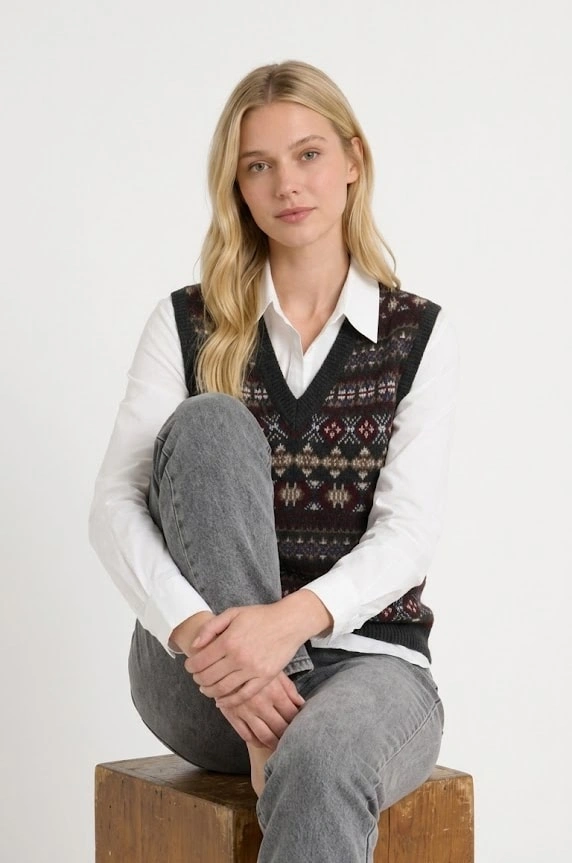
How many times have you loved something—that perfect cashmere sweater in your favorite color—but hesitated because it wasn’t your birthday, wasn’t Christmas, wasn’t any “special occasion” justifying the purchase? How often have you rationalized quality purchases by inventing future events: “I’ll buy this wool sweater for that wedding next month” or “This would be perfect for my work anniversary.” We’ve been conditioned to believe we need external validation, special occasions, or practical justifications before investing in ourselves. At Sweater Wardrobe, we witness this pattern daily—wonderful people denying themselves quality, comfort, and joy because they can’t manufacture an “excuse” substantial enough to override guilt. This mindset represents deeply internalized messaging about self-worth, particularly affecting women who’ve learned to prioritize others’ needs while minimizing their own. The truth is radical and liberating: you don’t need a special occasion to invest in your comfort and happiness. Your existence, your daily life, your simple desire for something beautiful that brings joy—these are reason enough. That knitted sweater calling to you doesn’t require birthday or holiday justification. The only permission you need is your own, and granting it is act of self-respect, not selfishness.

The Gendered Economics of Guilt
Why Women Struggle to Buy for Themselves
Research consistently shows women experience significantly more guilt than men when purchasing items solely for themselves, particularly “non-essential” items like quality clothing. This isn’t biological inevitability—it’s result of socialization teaching girls and women that their needs matter less, that prioritizing themselves is selfish, and that their value derives from caring for others rather than themselves. A man buying himself quality grey sweater because he likes it rarely experiences the guilt spiral many women face over identical purchase.
This gendered guilt manifests in specific patterns: women wait for gifts rather than buying desired items themselves, even when they have personal income. They purchase quality items for partners, children, friends but select cheaper versions for themselves. They require elaborate justifications—special occasions, practical necessity, extreme sales—before “allowing” themselves purchases. They minimize their own desires, describing wanted items as “silly” or “indulgent” while enthusiastically supporting others’ purchases.
Understanding this pattern’s source doesn’t immediately eliminate guilt, but it helps recognize it as learned behavior rather than truth. That voice saying “you don’t deserve this pink sweater unless it’s your birthday” isn’t wisdom—it’s internalized sexism you’re allowed to reject. Browse our guilt-free collection chosen because you deserve quality every ordinary day.
The “Treat Yourself” Industrial Complex
Ironically, consumer culture has co-opted self-care language while maintaining the guilt structure. “Treat yourself” marketing suggests self-directed purchases require special justification—you’ve had hard week, achieved goal, or “earned” the treat. This framework still positions self-directed spending as exception requiring justification rather than normal, healthy behavior. You shouldn’t need to “earn” the right to buy yourself cashmere sweater women genuinely want.

True self-compassion means recognizing that your comfort, pleasure, and satisfaction matter inherently, not as rewards for productivity or compensation for stress. Buying quality knitted sweater you’ll wear and enjoy for years isn’t “treating yourself”—it’s making sound decision that prioritizes your daily wellbeing. The reframing matters: this isn’t indulgence; it’s investment in your life quality.
Breaking Free From External Validation
Many people, particularly women, wait for others to buy them desired items rather than purchasing themselves. This pattern stems from multiple sources: conditioning that receiving gifts demonstrates being loved and valued, discomfort with claiming desires directly, and internalized belief that self-directed spending is selfish. The result? People maintain wishlist of items they genuinely want and could afford, hoping someone will gift them, rather than simply buying themselves.
This waiting game has costs. You deny yourself things you want and can afford. You experience disappointment when gifts don’t materialize or aren’t quite right. You grant others power over your satisfaction and comfort. Most significantly, you reinforce message that your desires matter only when validated by others. That brown sweater you’ve wanted for months? Why wait for someone else’s permission when you can grant your own?
Reframing “Selfish” as Self-Respect
Selfishness vs. Self-Care: Understanding the Difference
True selfishness involves prioritizing your desires at others’ expense, disregarding their needs, or demanding they sacrifice for you. Buying yourself quality wool sweater with your own money, harming no one, requiring nothing from others—this isn’t selfishness. It’s self-care, self-respect, and healthy recognition that your comfort matters.
The conflation of self-care with selfishness serves systems benefiting from your self-denial. When you feel guilty buying yourself things you need and want, you’re easier to exploit—you’ll accept less, demand less, and prioritize others at your own expense. Recognizing this dynamic allows you to reject it: caring for yourself doesn’t make you selfish; it makes you healthy person maintaining appropriate boundaries.
Your Ordinary Days Deserve Quality
Special occasion thinking implies most of your life—the ordinary days, routine weeks, normal Tuesdays—doesn’t deserve quality, beauty, or comfort. But these ordinary days constitute the bulk of your existence. Shouldn’t they be as pleasant as possible? That merino wool sweater you wear repeatedly through ordinary weeks delivers far more value than special occasion dress worn twice annually.

Investing in daily comfort and pleasure represents profound self-respect. It says: “My regular life matters. My comfort during ordinary moments deserves attention. I don’t need external validation or special circumstances to justify making my daily experience better.” A grey sweater in quality fiber you’ll wear dozens of times honors your actual life rather than waiting for hypothetical special occasions.
The Math of Cost-Per-Wear
When guilt arises around self-directed purchases, cost-per-wear calculation provides useful reframe. That $120 cashmere sweater you’ll wear fifty times annually for five years costs $0.48 per wear—less than daily coffee. Compare this to $30 impulse purchase worn twice before relegation to closet back: $15 per wear. The “indulgent” quality purchase proves more economical than “sensible” cheap alternative.
This math matters not just financially but psychologically. It demonstrates that investing in quality you’ll genuinely use and enjoy represents sound decision-making, not frivolous indulgence. When you choose well-made knitted sweater you love wearing, you’re being financially responsible, not wasteful. The guilt is misplaced; the choice is wise.
Permission Structures: Giving Yourself the Green Light
Creating Personal Purchase Guidelines
If complete permission feels too overwhelming initially, creating personal guidelines can help transition from guilt-based restriction to healthy autonomy. These aren’t rigid rules but frameworks supporting decisions aligned with your values and means. Consider: a monthly or quarterly “no-justification-needed” budget for items bringing genuine pleasure, a “cost-per-wear” threshold making quality purchases clearly worthwhile, or a “genuine desire” test—if you’ve wanted something consistently for month+, it’s not impulse.
One effective approach: the “would I buy this for my best friend?” test. If you’d enthusiastically buy quality pink sweater for friend because you know she’d love it, why hold different standard for yourself? You deserve the same generosity and consideration you’d offer people you care about. Apply best-friend criteria to self-purchases, treating yourself with kindness you’d extend to others.
Distinguishing Want from Need
Consumer culture and minimalism movements both create confusion around wants versus needs, either suggesting all wants should be satisfied immediately or that only “needs” justify purchase. Reality is more nuanced: some wants—things bringing genuine, lasting pleasure and utility—deserve satisfaction even if not technically necessary for survival. A beautiful brown sweater you’ll wear constantly and treasure for years qualifies as worthy want, even if you could technically survive without it.

The question isn’t “do I absolutely need this?” but rather “will this genuinely improve my daily life in ways justifying its cost?” A quality cardigan sweater worn regularly, bringing consistent comfort and satisfaction, improves your life meaningfully. That improvement matters and deserves recognition, even if the item isn’t survival necessity.
Rejecting Artificial Scarcity
Marketing creates artificial urgency—limited time sales, scarcity messaging, FOMO manipulation. But healthy self-directed purchasing rejects these pressures, recognizing that you can buy quality items when you’re ready, without manufactured urgency. That wool sweater you genuinely want will either be available when you’re prepared to purchase, or something equally good will emerge. You don’t need to justify buying now because sale ends tomorrow; you can wait until timing feels right for you.
This patience paradoxically makes purchases more satisfying. When you buy because you’re genuinely ready rather than responding to external pressure, the acquisition feels empowering rather than guilt-inducing. You’re exercising agency and honoring your actual desires rather than reacting to marketing manipulation.
Real Stories: Breaking Free From Guilt
“I was raised to believe spending money on myself was wasteful unless I had ‘earned’ it through accomplishment or it was gift from someone else. I maintained elaborate wishlist of items I wanted, hoping family would buy them, rather than just purchasing myself. During therapy for anxiety and people-pleasing patterns, my therapist asked why I denied myself things I could afford and genuinely wanted. I had no good answer beyond ‘it feels wrong.’ We unpacked that feeling—it was internalized sexism, family dysfunction, and harmful beliefs about my worth. As homework, she assigned me to buy one thing from my wishlist without waiting for permission, gift, or special occasion. I bought the grey cashmere cardigan I’d wanted for two years. Wearing it, I felt simultaneously empowered and guilty—but the empowerment grew while guilt faded. That purchase became turning point in learning I don’t need external permission to prioritize my own happiness. Three years later, I still wear that cardigan constantly, and it reminds me that I’m allowed to want things and allowed to satisfy those wants myself.” — Sarah J., Minneapolis, MN
“As primary breadwinner for my family, I bought my partner and kids quality items without hesitation but felt guilty spending on myself. I’d buy $80 sweater for my wife but balk at $60 one for myself, waiting for birthday or choosing cheaper version instead. One day my wife called this out: ‘Why do you think you deserve less?’ I had no answer. She was right—I was treating myself as less worthy of quality and comfort than my family. We agreed on equitable personal spending for both of us, removing the ‘special occasion’ requirement. Buying myself first quality sweater without manufactured justification felt revolutionary. It was simple grey merino crewneck, nothing extravagant, but purchasing it because I wanted it—not because it was my birthday or on sale or ‘necessary’—shifted something fundamental. I was declaring that my comfort mattered equally to my family’s. That seems obvious written out, but living it required conscious unlearning of patterns I’d maintained for decades.” — Michael T., Portland, OR
Practical Steps Toward Guilt-Free Self-Purchase
Start Small and Build Confidence
If guilt-free self-purchase feels overwhelming, start with smaller items and gradually increase. Begin with that $45 knitted sweater you’ve wanted, purely because you want it. Notice the guilt, acknowledge it, but proceed anyway. Observe that buying yourself something you want doesn’t cause catastrophe, hurt anyone, or make you selfish person. Use this experience as evidence when facing future guilt around larger purchases.

Reframe Internal Dialogue
When guilt arises, actively challenge it with counter-statements: “I deserve comfort and quality” replaces “this is too indulgent.” “This is sound investment in my wellbeing” counters “I should save this money for something more important.” “My daily happiness matters” responds to “I don’t need this.” These affirmations aren’t empty positivity—they’re truth countering harmful internalized messages.
Practice Receiving Your Own Generosity
You likely buy gifts for others readily, experiencing joy in their pleasure. Practice extending that same generosity to yourself. When you see that pink sweater you love, imagine buying it for beloved friend—you’d do it happily, right? Now apply that same kindness to yourself. You deserve the generosity you extend to others. The gift-giver and receiver can be the same person; that’s not selfishness, it’s self-compassion.
Building Healthy Self-Purchase Habits
Distinguishing Emotional Shopping from Genuine Desire
Guilt-free self-purchase doesn’t mean buying everything impulsively or using shopping to manage emotions. Healthy self-directed spending involves honest assessment of genuine desire versus temporary emotional filling. Ask: “Will I still want this next week?” “Does this align with my actual style and life?” “Am I buying this to solve problem it can’t solve?” A cashmere sweater you’ve consistently wanted fills genuine desire; impulse purchase during bad day might not.
Honoring Your Financial Reality
Permission to buy yourself things you want operates within your actual financial means. Guilt-free doesn’t mean consequence-free—if purchase creates genuine financial stress, that’s worth considering. But often the guilt comes even when purchase is completely affordable, and that’s the guilt worth rejecting. If you can genuinely afford quality wool sweater without hardship, the guilt is probably internalized messaging rather than financial wisdom.
Creating Sustainable Joy
The goal isn’t accumulation but curating collection of items bringing consistent pleasure and utility. Quality pieces you genuinely love and wear regularly justify their cost through ongoing satisfaction. That grey sweater worn fifty times this year brings substantially more value than five mediocre pieces worn twice each. Guilt-free purchasing ultimately means choosing quality aligned with genuine preferences rather than accumulating stuff from guilt or external pressure.
Your Permission Slip: You’re Allowed
You’re allowed to want beautiful things. You’re allowed to prioritize your comfort. You’re allowed to spend your own money on items bringing you genuine pleasure. You’re allowed to buy yourself that knitted sweater without waiting for birthday, without justifying through practical necessity, without minimizing your desire as “silly.” Your ordinary Tuesday deserves quality and beauty just as much as special occasions. Your daily comfort matters just as much as others’ comfort. Your satisfaction counts just as much as anyone else’s.

This isn’t permission from us—it’s permission you’re granting yourself. We’re simply reminding you that you’re allowed to do so. The only approval you need for buying yourself quality items you genuinely want is your own. And you’re allowed to give yourself that approval freely, without elaborate justifications or special occasions.
Explore our collection knowing that choosing quality cashmere sweater women love, merino wool sweater providing daily comfort, or perfect piece bringing genuine joy requires no excuse beyond your own desire. With prices from $39 to $169 and free shipping on orders over $69, investing in your daily happiness becomes accessible act of self-respect.
Questions about choosing pieces you’ll genuinely treasure, understanding quality worth investment, or building wardrobe bringing consistent satisfaction? Contact us today—we believe you deserve quality, comfort, and beauty without needing to justify or excuse your worthiness.
Learn more about our commitment to quality accessible to all, pieces worthy of your investment, and designs honoring your daily life on our About page. Join the community choosing Sweater Wardrobe because they deserve it—where every purchase is gift to yourself, and no excuse is needed.