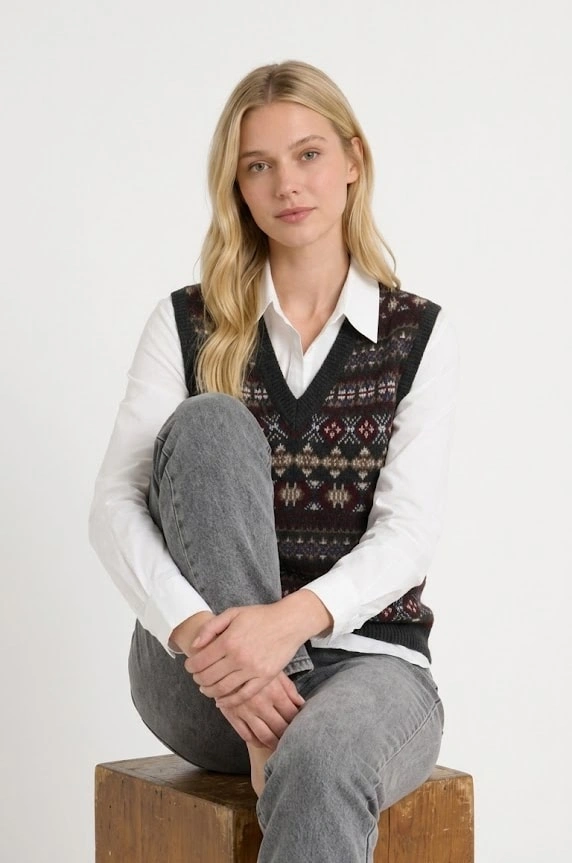
Monday morning arrives with its familiar weight—obligations waiting, expectations looming, the week stretching ahead demanding energy you’re not sure you possess. But this Monday, something shifts. You reach for that incredibly soft cashmere sweater, the one that feels like a hug against your skin, and suddenly the day seems manageable. This isn’t frivolous indulgence or superficial self-soothing—it’s radical act of self-preservation in a culture that demands constant productivity while offering little support for genuine wellbeing. At Sweater Wardrobe, we’ve watched comfort clothing evolve from guilty pleasure to essential self-care tool, recognizing that prioritizing your physical comfort represents profound statement about your worth and boundaries. That perfect knitted sweater you wear on challenging days isn’t weakness or escapism—it’s armor, anchor, and affirmation all woven together, reminding you that your comfort matters, your needs are valid, and caring for yourself is revolutionary act in world that profits from your depletion.

Why Self-Love Starts With Physical Comfort
The Body-Mind Connection Science
Research in embodied cognition demonstrates that physical sensations directly influence emotional states and cognitive processes. When you wear scratchy, restrictive, or uncomfortable clothing, your body sends constant low-level stress signals to your brain—micro-irritations that accumulate into significant mental burden. Conversely, soft, comfortable clothing triggers parasympathetic nervous system activation, promoting calm and reducing cortisol levels. That grey sweater in impossibly soft merino isn’t just pleasant—it’s actively supporting your nervous system regulation.
This scientific reality transforms comfort from luxury to necessity, especially for those managing anxiety, depression, sensory sensitivities, or chronic stress. Your softest wool sweater becomes therapeutic tool, environmental modification supporting mental health as legitimately as medication or therapy. Dismissing comfort needs as “shallow” or “materialistic” ignores fundamental mind-body connection and denies valid self-care strategy.
Modern psychology increasingly recognizes that self-care isn’t selfish—it’s essential maintenance allowing us to function sustainably rather than burning out catastrophically. Physical comfort represents foundational self-care layer supporting everything else. When your body feels safe and comfortable, your mind accesses higher-level functioning: creativity, empathy, problem-solving, emotional regulation. When your body battles constant physical discomfort, mental resources drain managing that stress, leaving less capacity for everything else. Browse our comfort-first collection designed to support your wellbeing from the outside in.
Comfort as Boundary-Setting
Choosing comfort over conventional expectations represents boundary-setting—powerful declaration that your needs matter. In professional environments still clinging to “dress for success” mentalities prioritizing appearance over wellbeing, wearing a soft knitted sweater instead of restrictive formal wear asserts that your comfort deserves consideration. This becomes particularly significant for women, who face disproportionate pressure to prioritize aesthetics over physical wellbeing in clothing choices.

Every Monday morning you choose comfort over convention reinforces internal message: “My wellbeing matters. My physical comfort is valid priority. I don’t need to suffer to be taken seriously.” These seemingly small daily choices accumulate into fundamental shifts in self-perception and boundary strength. The cream sweater you wear despite office culture preferring formal attire becomes visible rebellion against systems demanding your discomfort as price of participation.
Reclaiming Pleasure as Resistance
Capitalism thrives on disconnecting us from pleasure, particularly physical pleasure unconnected to consumption or productivity. When you genuinely enjoy wearing your softest cashmere sweater women treasure for pure sensory pleasure—not because it impresses others or serves goal—you’re engaging in radical act. You’re affirming that pleasure matters for its own sake, that your sensory experience has inherent value, that comfort needn’t justify itself through productivity.
This reclamation becomes particularly powerful for those conditioned to deny their needs, prioritize others, or feel guilty about self-focus. Many people, especially women and caregivers, struggle to justify purchases or choices benefiting only themselves. Reframing that beautiful pink sweater you love wearing from “unnecessary indulgence” to “essential self-care tool” isn’t semantics—it’s permission structure allowing you to prioritize your wellbeing without guilt.
Monday as Self-Care Practice Day
Why Monday Matters Most
Monday carries unique psychological weight—it’s transition from weekend rest back into work/obligation mode, often accompanied by what researchers call “Monday blues”: increased stress, decreased mood, higher anxiety. This makes Monday perfect day to implement intentional self-care practices, including comfort-first clothing choices. Starting your week prioritizing comfort sets tone for how you’ll treat yourself throughout coming days.
Many people save their nicest clothes for special occasions, wearing whatever’s available or convenient Monday through Friday. This approach suggests ordinary weekdays don’t deserve your best pieces or most comfortable options. Reversing this—wearing your softest merino wool sweater on Monday specifically because Mondays are hard—sends powerful message to yourself: challenging days deserve extra support, not less attention to wellbeing.
Creating Monday Comfort Rituals
Ritual transforms mundane activities into meaningful practices. Creating specific Monday morning ritual around comfort clothing makes self-care intentional rather than accidental. This might look like: Sunday evening, selecting your most comfortable knitted sweater for Monday, consciously choosing physical comfort over any other consideration. Monday morning, slowly putting on your comfort piece, noticing the softness, taking moment to appreciate this choice you’re making for yourself. Throughout the day, periodically noticing and appreciating your physical comfort as gift you’ve given yourself.

These small rituals accumulate significant psychological impact. They create regular touchpoints reminding you that self-care matters, that your comfort deserves attention, and that you can make choices prioritizing wellbeing even during demanding weeks. A brown sweater worn as part of Monday ritual becomes more than clothing—it’s tangible commitment to treating yourself with kindness regardless of external demands.
Building Sustainable Weekly Momentum
How you start Monday often influences your entire week’s trajectory. Beginning Monday prioritizing comfort and self-care makes it easier to maintain those priorities through subsequent days. Conversely, starting Monday already depleted and uncomfortable sets pattern of neglecting yourself all week. Your Monday morning wool sweater choice might seem trivial, but it establishes week-long tone: “I matter enough to prioritize my comfort” versus “I’ll endure discomfort because I have to.”
Investing in Comfort Without Guilt
Reframing “Investment” in Clothing
Many people, particularly those managing tight budgets or financial stress, feel guilty about spending money on “nice” clothing for themselves. This guilt often stems from viewing quality clothing as luxury rather than necessity. Reframing shifts perspective: a $139 cashmere sweater you’ll wear 200+ times over five years costs approximately seventy cents per wear—less than most daily coffee purchases. When calculated by cost-per-wear and considering psychological benefits, quality comfort pieces represent sound financial and wellbeing investments.
Additionally, investing in fewer high-quality pieces you actually love wearing proves more economical long-term than repeatedly purchasing cheaper items you tolerate but don’t enjoy. Fast fashion’s apparent affordability hides true costs: frequent replacement needs, decreased wearing satisfaction, and environmental impact. That perfect grey sweater in premium natural fiber delivers value exponentially exceeding its price tag through years of reliable comfort and pleasure.
Quality Comfort as Accessible Self-Care
While therapy, spa days, and wellness retreats offer valuable self-care, they require significant time and money many people lack. Quality comfort clothing provides accessible daily self-care requiring minimal ongoing investment—one excellent knitted sweater delivers daily comfort for years without additional appointments, travel, or scheduling. This accessibility makes comfort clothing particularly valuable self-care tool for those with limited resources, demanding schedules, or caregiving responsibilities preventing other self-care practices.

Our collection ranges from $39 to $169, recognizing that accessible pricing matters for genuine self-care democratization. Whether your budget allows for premium cashmere sweater women desire or quality merino wool sweater options at more accessible price points, prioritizing comfort within your means represents valid self-care regardless of specific price level.
Permission to Choose Yourself
For many people, especially those conditioned to prioritize others’ needs, spending money on themselves feels inherently wrong. This conditioning runs deep, often stemming from childhood messages, gender socialization, or economic insecurity. Choosing to invest in your comfort requires actively giving yourself permission to matter, to deserve nice things, to be worthy of care and consideration.
If guilt arises when considering a pink sweater you genuinely love but “don’t need,” recognize that guilt as internalized message suggesting your comfort is frivolous. Challenge that message: Why shouldn’t you experience pleasure and comfort? Why shouldn’t your daily life include things that make you feel good? Your comfort isn’t less important than others’. Buying yourself something that brings genuine daily joy isn’t selfish—it’s self-respect.
Different Comfort Needs for Different Lives
For Those Working From Home
Remote work blurs boundaries between home and work, personal and professional, rest and productivity. Without physical transition between locations, clothing choices become crucial boundary-setting tools. Your Monday morning cardigan sweater in soft fabric signals “work mode” while maintaining comfort—you’re not wearing pajamas (no separation) or rigid professional attire (imported office discomfort), but instead creating sustainable middle ground honoring both productivity and wellbeing needs.
Work-from-home comfort pieces should balance professional-enough appearance for video calls with maximum physical comfort for long sitting periods. A turtleneck sweater in fine cashmere looks polished from waist up while feeling impossibly soft against skin—perfect for Zoom-heavy Mondays. This combination allows you to present professionally without sacrificing comfort that makes extended home-working sustainable.
For Front-Line and Essential Workers
Those working in healthcare, service industries, education, or other fields requiring physical presence often face strict dress codes limiting comfort choices. However, layering comfortable pieces under required uniforms or maximizing comfort within guidelines becomes especially important for these physically and emotionally demanding roles. A soft wool sweater worn under scrubs or during breaks provides crucial comfort touchpoint during exhausting shifts.

For these workers, Sunday evening ritual of selecting Monday’s most comfortable underlayer or commute clothing acknowledges difficult week ahead while providing whatever comfort control allows. Even if dress code restricts options, choosing softest available grey sweater for commute or break times asserts that your comfort matters despite system constraints.
For Those Managing Mental Health Challenges
Depression, anxiety, sensory processing differences, and other mental health conditions often make mornings particularly difficult. The executive function required to select outfits, the physical heaviness making any movement challenging, the anxiety that even minor decisions trigger—all complicate something neurotypical people consider simple. Having designated comfort pieces you automatically reach for removes decision-making burden while ensuring physical comfort supporting fragile mental state.
A reliable brown sweater you know fits well, feels good, and requires no thought becomes lifeline during difficult mornings. It’s one less decision when decisions feel impossible, one less potential discomfort when you’re already overwhelmed. For those managing chronic mental health conditions, comfort clothing isn’t vanity—it’s adaptive strategy making hard days slightly more manageable.
Real Stories: Monday Comfort Transformations
“I struggle with severe anxiety, and Monday mornings were triggering panic attacks regularly—anticipating week ahead overwhelmed me to point of nausea and crying. My therapist suggested creating ‘Monday armor’—specific ritual and clothing signaling ‘I can handle this.’ I invested in the softest cashmere crewneck I could afford, cream-colored and incredibly gentle. Every Sunday night, I hang it ready. Monday morning, putting it on has become meditation: I notice softness, I breathe deeply, I tell myself ‘this week, I have what I need.’ That sweater cost me two weeks’ discretionary budget, but it’s been worth every cent. I still struggle with Monday anxiety, but now I have tangible support, literal armor of comfort. Three years later, that sweater—now beautifully worn in—remains my Monday essential. It’s seen me through job changes, relationship difficulties, and pandemic stress. I’m not exaggerating when I say it helped save me.” — Rachel M., Minneapolis, MN
“After burnout forced me to leave high-pressure corporate job, I had to rebuild relationship with work entirely. Part of that meant letting go of uncomfortable ‘professional’ clothing associated with burnout period. I created new Monday uniform: comfortable merino sweater, soft pants, no restriction or performance. At first, I felt guilty—shouldn’t I ‘dress for success’ in new role? But then I realized: success without comfort is unsustainable. That’s literally what led to burnout. My Monday sweater represents commitment to working sustainably rather than destructively. It’s visual reminder that I don’t need to hurt myself to be valuable. Five years into recovery, I still start every Monday in that sweater or ones like it. It grounds me, reminds me of lessons learned, helps me maintain boundaries protecting my wellbeing. Best investment I’ve made in my mental health.” — James K., Seattle, WA
Building Your Self-Care Wardrobe
Starting With One Perfect Piece
Building self-care wardrobe doesn’t require complete closet overhaul. Start with one exceptional piece—your Monday sweater, your comfort anchor, the item representing your commitment to prioritizing wellbeing. Choose this piece carefully: What texture brings you most comfort? What color genuinely makes you feel good? What silhouette allows unrestricted movement and breathing?

This foundational piece might be a cashmere sweater in your favorite neutral, a merino wool sweater in color that lifts your mood, or an oversized cardigan sweater providing cocooning comfort. Whatever speaks to your specific comfort needs and personal style becomes your anchor piece—the item you reach for when life feels overwhelming and you need tangible support.
Gradually Expanding Comfort Options
Once you’ve identified what comfort means for you through that first perfect piece, gradually expand. Not every item needs replacing immediately, but as clothing naturally wears out or requires updating, prioritize comfort in replacement choices. Over time, this builds wardrobe genuinely supporting your wellbeing rather than working against it.
Honoring Your Evolution
Your comfort needs may evolve as circumstances change. The pink sweater that brought joy during one life period might feel wrong later—that’s okay. Self-care includes recognizing and honoring these shifts. Give yourself permission to pass along pieces no longer serving you and invest in new ones matching current needs. Your comfort wardrobe should grow and change with you, not become static collection you feel obligated to maintain.
Making Monday Your Self-Love Day
This Monday, what if you treated yourself with the kindness you’d offer a beloved friend? What if your clothing choices reflected genuine care for your wellbeing rather than external expectations or internalized “should”s? What if comfort wasn’t guilty pleasure but radical assertion that you matter, your needs are valid, and caring for yourself is revolutionary act?
Explore our self-care collection featuring cashmere sweater women choose for ultimate softness, merino wool sweater options balancing luxury and practicality, and comfort-first pieces designed to support your wellbeing. With prices from $39 to $169 and free shipping on orders over $69, investing in your comfort becomes accessible choice supporting mental health and sustainable functioning.
Questions about selecting perfect comfort pieces, understanding natural fiber benefits, or building self-care wardrobe within your budget? Contact us today—we understand that choosing comfort is choosing yourself, and we’re here to support that revolutionary act.
Learn more about our commitment to comfort-first design, ethical production, and pieces supporting genuine wellbeing on our About page. Join the community choosing Sweater Wardrobe for self-care that starts with softness—where every thread honors your worth and your right to comfort.