There’s a peculiar ache that arrives in late winter—not quite sadness, not exactly impatience, but a yearning that tugs at your chest when you catch the first genuinely warm sunbeam through your window. Your body remembers spring before your calendar acknowledges it. You feel the shift in light quality, notice the subtle lengthening of afternoons, sense the promise of warmth even when morning frost still coats your car windshield. This is the season of anticipation, when you’re caught between winter’s last grasp and spring’s tentative arrival, simultaneously craving cozy sweaters for chilly mornings and lightweight layers for unexpectedly warm afternoons.
This transitional period demands wardrobe versatility that honors both the warmth you’ve cherished all winter and the sunshine you’re desperately anticipating. You need pieces that carry winter’s comfort forward without the heaviness, that embrace spring’s brightness without abandoning protection against lingering cold. At Sweater Wardrobe, we understand this emotional and practical complexity—the way your heart leans toward spring while your body still needs winter’s embrace. The answer lies in transitional knitwear: pieces designed for this exact in-between moment when you’re looking forward to sunny days while still wrapped in endless warmth.
The Psychology of Seasonal Transition
The shift from winter to spring triggers profound psychological responses beyond simple temperature preference. According to seasonal affective disorder research, increased daylight exposure beginning in late February and March triggers serotonin production increases of up to 40%, creating genuine physiological changes in mood, energy, and outlook. You’re not imagining the lift you feel on the first genuinely sunny day—your brain chemistry is literally changing in response to environmental cues.
This neurochemical shift manifests in wardrobe behavior. Fashion psychology studies show that people begin incorporating lighter colors, softer textures, and more optimistic styling choices approximately three weeks before consistent warm weather arrives. We dress for the season we’re anticipating rather than experiencing—a form of aspirational styling that helps us psychologically transition toward the joy we associate with sunshine and warmth. Your impulse to reach for that cream-colored cotton sweater instead of your heavy charcoal wool isn’t random; it’s your psyche preparing for seasonal change through symbolic clothing choices.
Yet this same period creates wardrobe anxiety. Morning temperatures of 35°F demand genuine warmth; afternoon highs of 65°F make heavy layers unbearable. You leave home bundled for winter, arrive at work overheated, spend your lunch break outside inadequately dressed for lingering chill, then face the evening commute uncertain which extreme to prepare for. This temperature volatility—swings of 20-30 degrees within single days—requires thoughtful layering strategies that accommodate dramatic fluctuations without requiring outfit changes.

Transitional knitwear addresses both the emotional and practical aspects of this seasonal shift. Lightweight sweaters in optimistic colors satisfy your psychological craving for spring while providing functional warmth against reality’s cooler temperatures. When you wear our Short-Sleeve Turtleneck Sweater ($49) in off-white, you’re simultaneously honoring where you are (needing coverage) and where you’re going (embracing lighter, brighter aesthetics). This duality creates wardrobe satisfaction that purely practical or purely aspirational pieces can’t achieve.
Lightweight Knits: Warmth Without Weight
The key to successful transitional dressing lies in discovering warmth without bulk—garments that provide meaningful temperature regulation without the heaviness associated with winter sweaters. This is where fiber technology and construction technique create magic. Modern lightweight knits leverage natural fiber properties and advanced gauge work to deliver comfort across wider temperature ranges than traditional seasonal pieces.
Consider gauge: the number of stitches per inch in a knitted fabric. Winter sweaters typically use 3-5 gauge (fewer, thicker stitches creating dense, heavy fabric). Transitional pieces employ 7-12 gauge, creating finer, lighter fabric that still provides insulation through air-trapping structure rather than sheer mass. According to textile engineering research, fine-gauge knits can provide up to 70% of heavy-gauge warmth at only 40% of the weight—the perfect ratio for spring’s unpredictable temperatures.
Our 100% Cashmere Short-Sleeve Sweater ($69) exemplifies this principle beautifully. Cashmere’s natural properties—fibers that are finer than human hair yet remarkably insulating—create warmth disproportionate to weight. The short-sleeve construction acknowledges warming temperatures while the fine-gauge knit and turtleneck provide meaningful coverage for cooler moments. At 8-ounces, this piece weighs approximately one-third of a typical winter cashmere sweater yet delivers comparable warmth in transitional temperature ranges of 50-65°F.

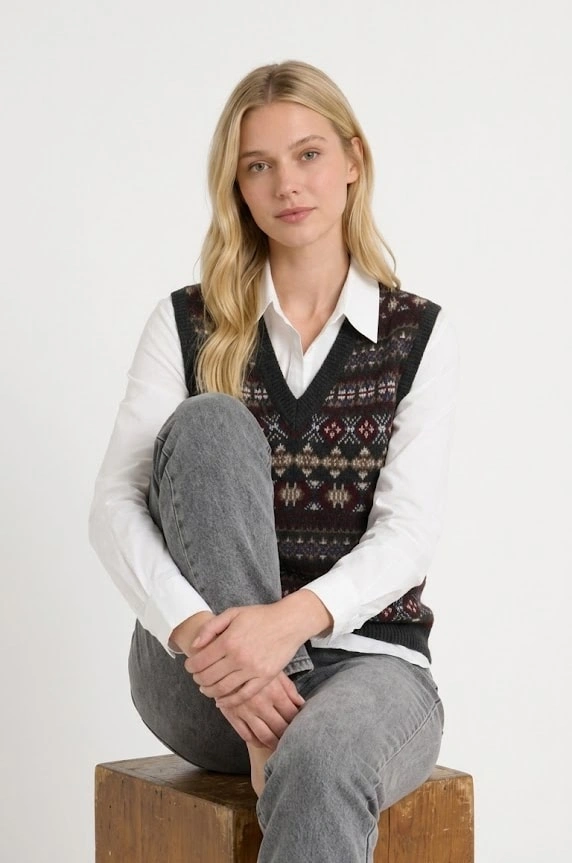
Fiber content equally impacts transitional performance. Cotton and cotton-blend knits excel during this period because they breathe exceptionally well while still providing moderate insulation. Unlike synthetic alternatives that trap moisture and create clammy discomfort as temperatures rise, natural fibers regulate moisture through absorption and evaporation. The Gray Fair Isle Cotton Sweater ($89) leverages 100% cotton’s superior breathability in a classic Nordic pattern that bridges winter’s visual language with spring’s lighter feel. The oversized fit creates air circulation while the anti-pilling treatment ensures the garment maintains pristine appearance despite frequent wear through this high-use transitional period.
Color Psychology: Dressing for the Light You Crave
Late winter and early spring bring dramatic changes in natural light quality—shifts so profound they affect how we perceive color and, consequently, how we want to dress. Winter light in northern latitudes arrives at lower angles, filtered through more atmosphere, creating cooler, bluer tones. Spring light gradually shifts higher, becoming warmer and more golden. This transformation isn’t merely aesthetic; it’s perceptual reality that influences color preferences.
Color psychology research demonstrates that humans gravitate toward lighter, warmer tones as daylight increases and quality improves. We unconsciously mirror environmental brightness in clothing choices—a phenomenon called “chromatic resonance.” This explains why cream, soft pink, pale yellow, and light gray sweaters suddenly feel infinitely more appealing than the charcoal, navy, and black pieces that dominated your winter wardrobe. You’re responding to environmental cues, selecting colors that harmonize with changing light quality.
The Short-Sleeve Turtleneck in off-white captures this transitional color sweet spot perfectly. Not quite pure white (which can appear harsh in lower spring light), not quite beige (which risks reading as washed-out), this cream tone glows in strengthening sunshine while remaining soft enough for cloudier days. It photographs beautifully in Instagram-worthy spring settings—garden cafes, early outdoor markets, park benches under budding trees—creating that aspirational “embracing spring” aesthetic while providing genuine functional warmth.
Conversely, the brown colorway speaks to those still grounding themselves in earth tones while transitioning away from winter’s deepest shades. This warm, medium brown bridges winter’s richness with spring’s lightness, pairing effortlessly with both your existing dark denim and the lighter trousers you’ll increasingly reach for as temperatures rise. One customer shared: “I wasn’t ready to abandon darker colors completely, but I also craved something that felt like spring. The brown turtleneck became my daily uniform through March—sophisticated enough for work, casual enough for weekend errands, and that perfect in-between color that worked with everything in my transitional closet.”
Short-Sleeve Sweaters: Bridging Temperature Extremes
Short-sleeve sweaters occupy a unique position in transitional wardrobes—pieces that confuse people unfamiliar with their versatility but become indispensable once understood. “Isn’t that contradictory?” friends ask when they see your short-sleeve knit paired with a cardigan. “Why not just wear a t-shirt?” The answer lies in temperature regulation sophistication that cotton tees can’t match.
Short-sleeve sweaters provide core coverage (torso warmth) while exposing arms for heat dissipation—exactly what fluctuating spring temperatures demand. According to thermoregulation research, the torso contains the body’s vital organs and requires consistent temperature maintenance, while extremities (arms, legs) tolerate greater variation. When you’re moving between heated indoor spaces and cool outdoor environments multiple times daily, this selective coverage prevents the overheating-then-chilling cycle that makes spring dressing frustrating.
The knit construction adds crucial texture and visual weight that t-shirts lack. Even lightweight sweater knits create dimension and sophistication that elevate casual outfits beyond basic tee-and-jeans territory. The Short-Sleeve Turtleneck’s structured silhouette maintains polished appearance appropriate for professional casual environments—something cotton tees struggle to achieve. You can wear this piece to office, errands, lunch dates, and casual social gatherings without appearing underdressed, creating wardrobe efficiency during this between-seasons period when you’re tired of winter’s formal layers but not ready for summer’s complete casual surrender.

Layering versatility amplifies short-sleeve sweaters’ transitional value. Over a long-sleeve base layer, they extend into genuinely chilly days. Under a lightweight cardigan or blazer, they create sophisticated dimension. Alone on warmer afternoons, they provide just-right coverage. This three-in-one functionality makes them wardrobe workhorses during spring’s temperature chaos—one piece creating multiple outfit possibilities without requiring closet space devoted to single-use seasonal items.
The Cardigan Layer: Your Temperature Control System
No transitional wardrobe survives spring without strategic cardigans—the ultimate temperature-control garments offering instant adjustment without full removal. As temperatures swing 25+ degrees between morning and afternoon, cardigans transform from essential outer layer to draped accessory to forgotten car-seat companion, all within single day’s progression.
Lightweight construction is paramount for transitional cardigans. You need pieces that fold into tote bags without wrinkling, drape elegantly without weighing down shoulders, and layer over various base pieces without creating bulk. The Wool-Blend Fitted Knit Two-Piece Set ($69) offers brilliant versatility for this exact purpose. The cardigan component provides genuine warmth for cool mornings, while the vest allows continued coverage as you shed the outer layer during warmer hours. This two-piece approach creates three outfit options (cardigan alone, vest alone, both layered) from one purchase—exceptional value during transitional periods when you’re building new seasonal wardrobes.
Color selection in transitional cardigans affects both functionality and psychology. The set’s availability in red, black, white, dark hemp grey, and coffee brown spans the spectrum from winter carryover shades (black, dark grey) to spring-forward options (white, coffee brown). The red offers cheerful brightness that celebrates increasing sunshine—a color choice that signals optimism and forward momentum. According to color therapy research, wearing warm, bright colors during seasonal transitions can enhance mood and energy levels, creating positive feedback loops that support emotional adjustment to changing seasons.

Fitted construction in transitional cardigans prevents the frumpy, overwhelmed appearance that oversized styles can create when layered over already-substantial base pieces. The trim silhouette maintains elegant lines whether worn buttoned, open, or draped over shoulders. This versatility matters when your daily routine involves multiple contexts—professional meetings requiring polished appearance, casual errands allowing relaxed styling, social events demanding intentional effort. One cardigan adapts to all three through simple styling adjustments.
Pattern and Texture: Visual Warmth for Brightening Days
As physical temperatures warm, we often crave visual warmth that echoes winter’s coziness without the accompanying heaviness. This is where pattern and texture become powerful tools in transitional dressing—creating psychological comfort through familiar visual language while adapting to changing practical needs.
Fair Isle patterns exemplify this principle beautifully. The Nordic-inspired geometric designs carry winter’s heritage while working in lighter-weight constructions appropriate for spring. The Gray Fair Isle Cotton Sweater maintains visual richness and craft-oriented appeal associated with cozy winter knits, but executes the pattern in breathable 100% cotton at moderate gauge. You get the emotional satisfaction of wearing something that “feels” like a real sweater while enjoying the practical benefits of spring-appropriate weight and fiber content.
The gray colorway anchors the pattern without winter’s heaviness. Unlike deep charcoal or black Fair Isles that can feel visually oppressive as days brighten, this medium gray reads as substantial yet light, grounding yet optimistic. The pattern’s traditional appeal provides continuity with your winter wardrobe aesthetic while the overall piece signals transition. One customer noted: “I wasn’t ready to pack away all my winter favorites, but I also felt ridiculous wearing heavy wool as temperatures climbed. This Fair Isle cotton gave me that cozy sweater feeling I craved while being completely appropriate for 60-degree afternoons. It became my emotional security blanket through spring.”
Cable knit textures offer similar psychological comfort. The raised, dimensional patterns create visual and tactile richness that satisfies our lingering desire for substantial sweaters while working in lighter constructions. The Chocolate Brown Cable Knit Sweater ($69) provides classic cable detailing in moderate-weight fabric suitable for transitional temperatures. The half-zip design adds modern functionality—ventilation control when you need it without full removal. This combination of traditional aesthetic and contemporary practicality creates pieces that honor your emotional attachment to winter warmth while accommodating spring’s realities.
Building Your Transitional Capsule: Strategic Selection
Successful transitional dressing doesn’t require extensive wardrobe overhaul—it demands strategic selection of versatile pieces that bridge seasons while minimizing consumption. With 5-7 thoughtfully chosen items, you can create dozens of combinations appropriate for spring’s varied demands.
Foundation Base Layers (Choose 2-3):
- One short-sleeve knit in neutral tone (off-white, gray, brown) for maximum versatility
- One lightweight long-sleeve base in cotton or cotton-blend for cooler days
- Optional: One patterned piece (Fair Isle, cable knit) for visual interest
Transitional Cardigans (Choose 2):
- One lightweight fitted cardigan in classic color for professional settings
- One casual-friendly option in optimistic spring shade (cream, soft pink, light blue)
Specialty Pieces (Choose 1-2):
- One luxe material sweater (cashmere, fine merino) for special occasions and mood-lifting
- One unique construction (two-piece set, convertible design) for maximum versatility
This 5-7 piece capsule creates approximately 25-35 distinct outfit combinations when accounting for layering variations, color pairings, and styling differences. The initial investment—approximately $300-450 depending on selections—serves through entire transitional period (typically 6-10 weeks) and transitions into summer layering or autumn base layers. Each piece earns its place through versatility rather than single-purpose limitation.
Shop the complete transitional collection at Sweater Wardrobe, where you’ll find these pieces and more designed specifically for between-seasons versatility. Free shipping on orders over $69 means you can build your capsule efficiently.
Care and Storage: Honoring Winter While Welcoming Spring
The transitional period also demands thoughtful approach to caring for departing winter pieces while preparing lighter spring items. This isn’t merely practical maintenance—it’s ritual that helps us psychologically transition between seasons, honoring what’s ending while welcoming what’s beginning.
As you rotate heavier winter sweaters out of active use, proper cleaning and storage extends their life significantly. Hand washing or professional cleaning removes body oils, environmental pollutants, and food particles that attract moths and cause fiber degradation. According to textile conservation experts, proper end-of-season care can extend garment life by 40-60% compared to simply storing dirty pieces. Take time with this process—it creates closure on winter while demonstrating care for possessions you’ll welcome back next year.
Storage matters equally. Cedar blocks or lavender sachets in breathable cotton storage bags protect against moths while maintaining pleasant scent. Avoid plastic containers that trap moisture and promote mildew—natural fiber sweaters need air circulation even in storage. Fold rather than hang heavy knits to prevent shoulder distortion. These practices aren’t merely preservative; they’re acts of respect toward garments that served you faithfully through cold months.
Simultaneously, prepare transitional and spring pieces for increased use. Refresh items stored since last spring with gentle washing, check for minor repairs needed (loose buttons, small snags), and organize by weight and formality for easy selection during rushed mornings. This preparation ritual creates anticipatory excitement—you’re literally getting ready for sunny days by making your warmest spring pieces readily accessible.
The Emotional Journey: From Yearning to Arrival
The transition from winter to spring is fundamentally emotional journey as much as meteorological shift. We don’t simply endure cold until warmth arrives—we actively yearn for change, anticipate relief, and prepare psychologically for seasonal transformation. Your wardrobe choices during this period become tangible expressions of hope and forward momentum.
Wearing that first lightweight sweater on a genuinely warm afternoon creates disproportionate joy. You’re not just comfortable—you’re experiencing the arrival of something you’ve anticipated for months. The sensory experience—sun on bare arms, breeze through lighter fabric, warmth without heaviness—triggers powerful positive emotions that transcend simple temperature preference. According to positive psychology research, these “arrival moments” when anticipated positive events finally occur create happiness spikes that can influence mood for days afterward.
This is why investing in quality transitional pieces matters beyond practical function. When you slip on your 100% Cashmere Short-Sleeve Sweater on that first truly spring-like day, you’re not just getting dressed—you’re celebrating arrival. The luxe feel of cashmere against skin, the perfect weight that provides comfort without burden, the optimistic color that mirrors brightening days—these elements combine to create experience worthy of the emotional significance you’ve invested in this seasonal shift.
One customer eloquently captured this sentiment: “I saved up for the cashmere short-sleeve specifically for that first real spring day. When it finally arrived—sun streaming through windows, birds singing, everything feeling possible—I put on that sweater and actually teared up. It sounds dramatic, but after such a long, dark winter, that moment of finally being exactly right—not too hot, not too cold, just perfect—while wearing something beautiful felt like a gift I’d given my future self. Worth every penny.”
Sustainability Through Transition: Resisting Fast Fashion Impulses
The transitional period creates particular vulnerability to fast fashion temptation. Spring collections flood stores and social media, promising fresh starts and new aesthetics. The psychological desire for change—amplified by genuine seasonal shift—makes us susceptible to purchasing decisions we’ll regret once initial excitement fades. Industry data shows spring sees 35% higher impulse purchases than other seasons, with average customer regret rates topping 45% for transitional pieces worn fewer than five times before summer arrival.
Resist this impulse by focusing on versatile, quality pieces that serve beyond single season’s trends. The Short-Sleeve Turtleneck in classic off-white or brown works this spring, next spring, and five springs from now. Classic patterns like Fair Isle and cable knit transcend temporary trends, maintaining relevance and appeal across years. Quality construction ensures these pieces survive dozens of wears and washes while maintaining pristine appearance.
This approach aligns with slow fashion principles while serving your wardrobe practically. Instead of purchasing six trendy transitional pieces at $25 each ($150 total) that you’ll discard next year, invest in three quality items at $50-70 each ($150-210 total) that serve multiple seasons across multiple years. The per-wear cost becomes negligible while environmental impact drops dramatically. Visit our About page to learn more about our commitment to quality over quantity.
Looking Forward: The Optimism of Spring Dressing
Ultimately, transitional dressing is an act of optimism. Every time you choose a lightweight sweater over heavy wool, you’re declaring belief in warmer days ahead. Every pastel cardigan, every short-sleeve knit, every breathable cotton piece represents faith in seasonal progression—trust that spring will actually arrive, that sunshine will eventually stay, that the endless warmth you’re seeking is genuinely approaching.
This optimism matters profoundly. After months of cold, dark, restrictive winter, the simple act of dressing for approaching spring creates psychological momentum toward brighter days. You’re not passively waiting for weather to change—you’re actively participating in transition through daily choices about how you present yourself to world. Your wardrobe becomes tool for manifesting the seasonal shift you’re craving.
When you wear your transitional knitwear—those perfect between-seasons pieces that honor where you’ve been while preparing for where you’re going—you’re practicing hope in its most tangible form. You’re investing in comfort that acknowledges current reality while preparing for anticipated future. You’re creating bridge between winter’s cozy embrace and summer’s carefree warmth, between the person who bundled against February cold and the person who’ll bask in June sunshine.
Explore the complete transitional collection at Sweater Wardrobe, where every piece is selected to support your journey from winter’s end to spring’s beginning. For styling advice or questions about building your transitional capsule, visit our contact page. Let us help you dress for the sunny days ahead while honoring the warmth you’ve carried through winter—endless warmth that transitions seamlessly into spring’s gentle embrace.